Computer vision, RAG pipelines, voice agents and document AI. Not demo AI but systems that handle production traffic month after month. Claude 4.7, GPT-4.5, Mistral and local models.
Book an intro →
AI development at NedDev runs on a mix of Claude 4.7, GPT-4.5 and local models, embedded in a RAG pipeline on a vector database. A production AI feature starts at €8,000 and goes live in 4-8 weeks. We keep the models up to date and monitor prompt drift via Sentry and custom dashboards.
AI development is the right choice when you want to automatically process large volumes of documents, conversations, or images: document analysis, voice agents, computer vision, and RAG systems built on your own knowledge base.
Our internal stack packages for multi-tenant SaaS. A Laravel + Filament starter, an audit-trail engine, and a tenant-impersonation package that runs across 12 clients.
8 PACKAGES · 2.4K STARS EDITORIAL · LONG-FORM ↗What we write down as we learn it. Case studies, technical write-ups, design decisions. No content marketing, just real knowledge.
42 ESSAYS · MONTHLY RESEARCH · AI EXPERIMENTS ↗Side projects and R&D. Voice-agent prototypes, RAG pipelines, AI knowledge-graph experiments. Some become products. The rest teach us something.
14 EXPERIMENTS · LIVE DEMOSA production AI feature at NedDev costs between €8,000 and €35,000. For RAG on your own documents you are looking at around €12,000 including vector-database setup. Computer vision applications start at €20,000 because of the more complex training and validation.
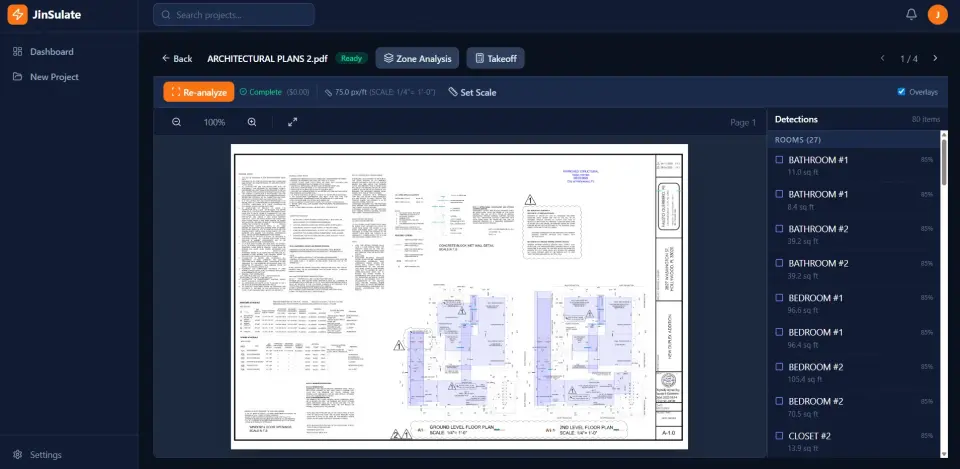
We combine Claude 4.7 Sonnet for long-context tasks, GPT-4.5 for reasoning, Mistral for on-premise scenarios and Grok 4.3 for real-time data. For computer vision we use our own YOLO + Shapely pipelines.
Every production AI at NedDev has prompt versioning, output validation via JSON schema, fallback models and monitoring on latency, cost and output quality via Sentry. We log every generation so regressions stay traceable.
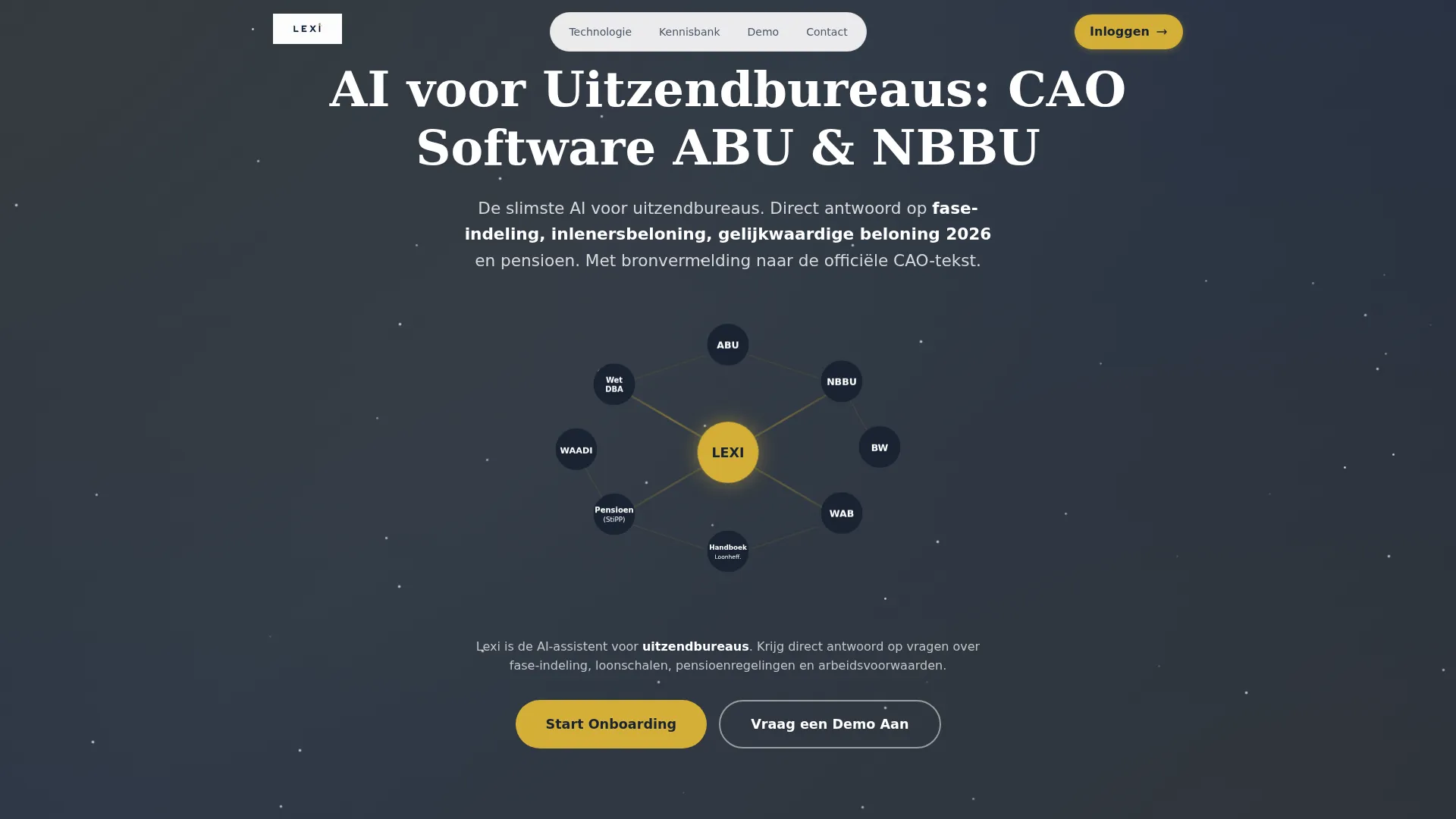
RAG stands for Retrieval Augmented Generation. The system first finds relevant chunks from your documents via a vector database, passes those as context to an LLM, and generates an answer with source citations. At Lexi AI this delivers 95 percent accuracy on labor-agreement questions.