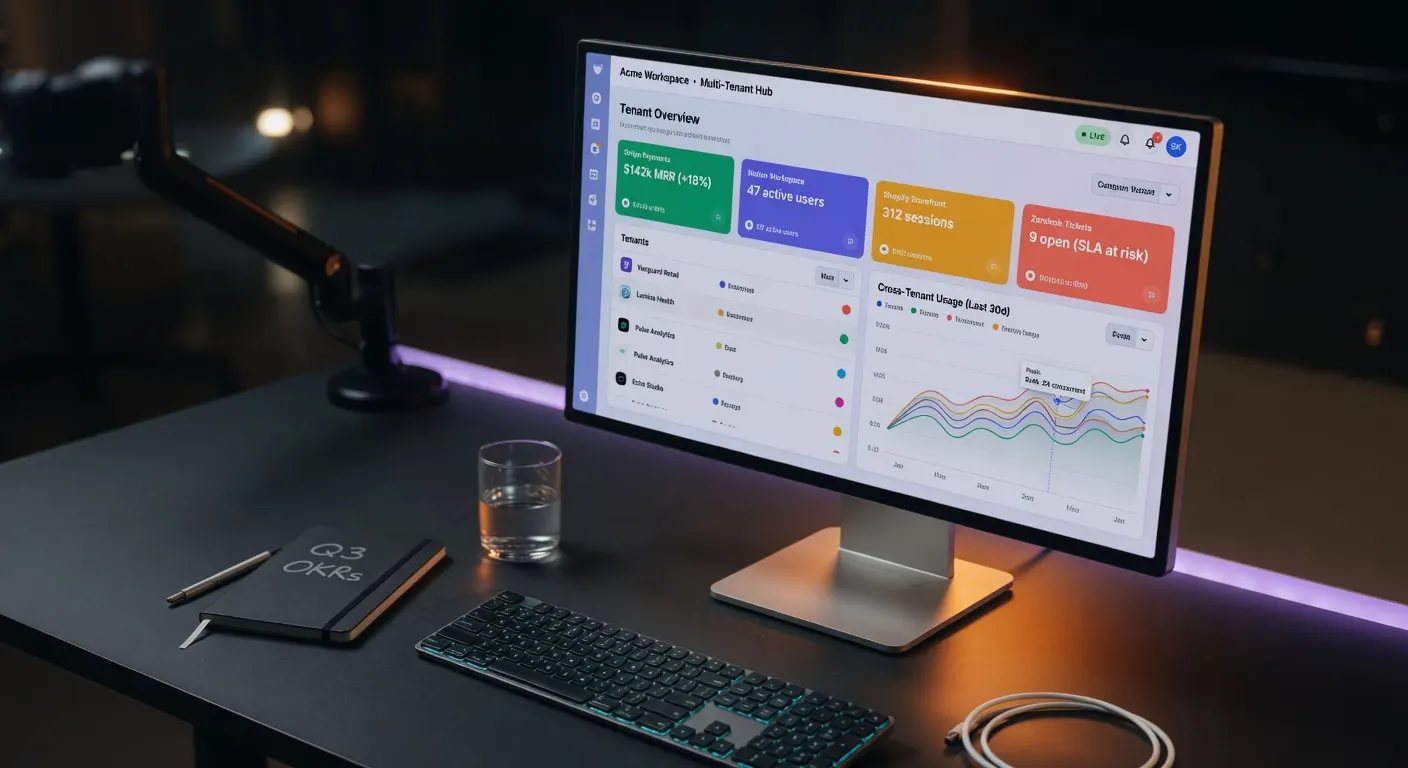
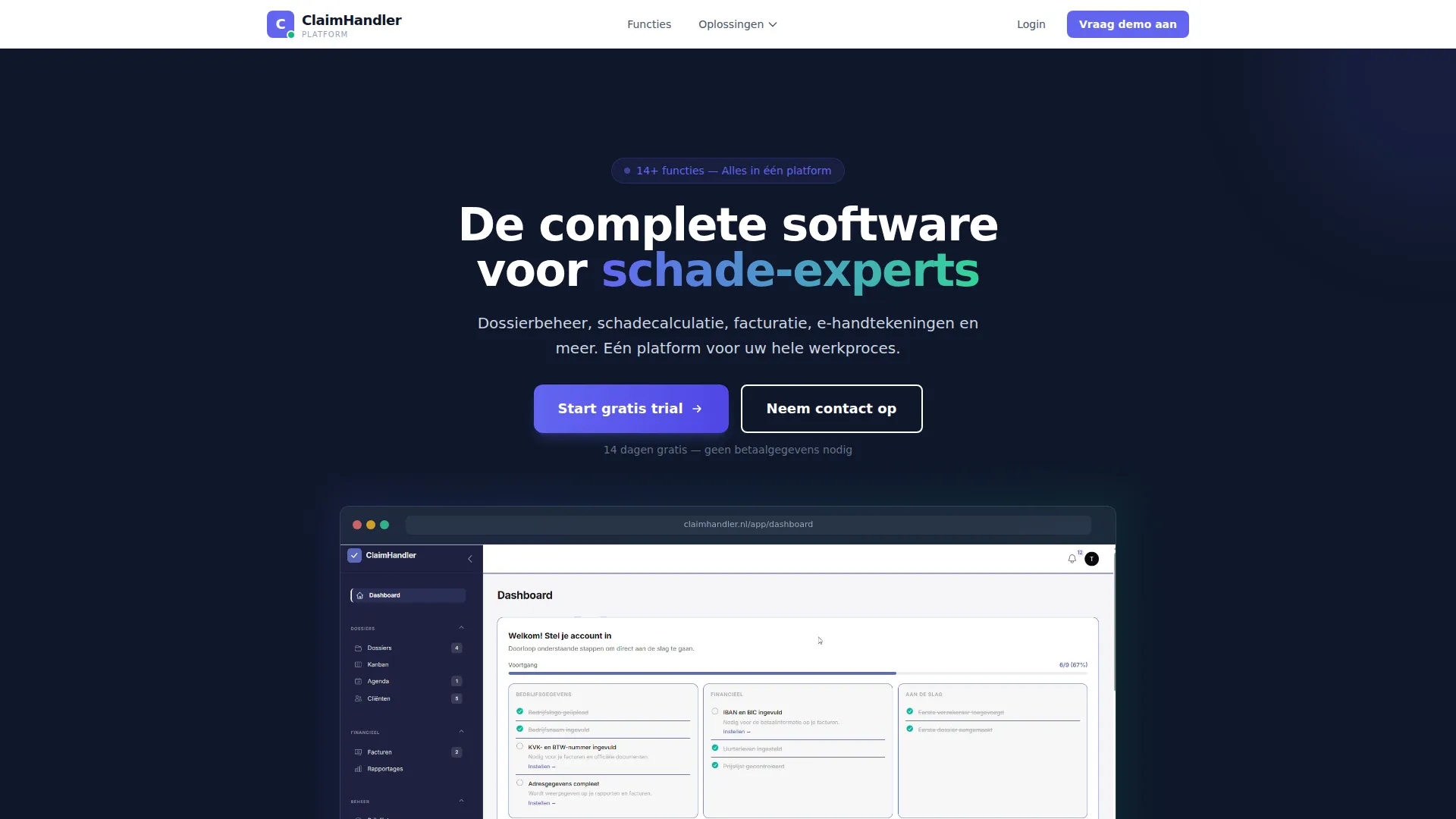
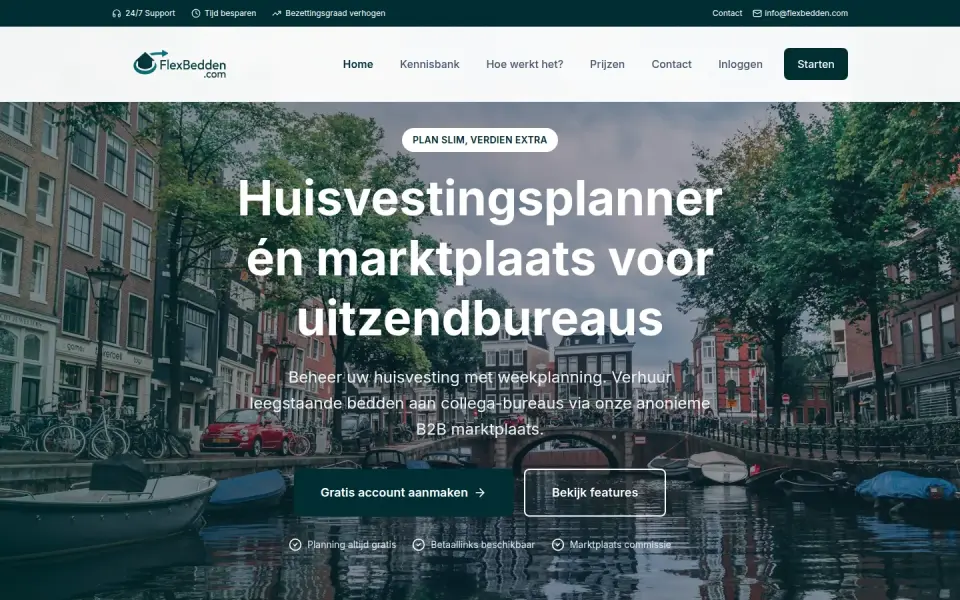
Multi-tenant SaaS platforms that grow with your business. From the first tenant to hundreds of customers on the same codebase. Laravel + Filament backend, Next.js frontend, payments via Mollie or Stripe.
Building a SaaS at NedDev costs between €15,000 and €60,000, depending on scope. An MVP for a B2B SaaS goes live in 6-10 weeks on a production stack of Laravel 12 + Filament v3.3 + Next.js 16. Multi-tenant architecture, RBAC, payments via Mollie and an audit trail are standard in every SaaS project. We host and monitor it after launch too.
Building SaaS is the right choice when multiple clients or organizations use the same tool and data must stay strictly separated per organization: B2B platforms, marketplaces, and AI tools that need to scale and meet compliance requirements.
Our internal stack packages for multi-tenant SaaS. A Laravel + Filament starter, an audit-trail engine, and a tenant-impersonation package that runs across 12 clients.
8 PACKAGES · 2.4K STARS EDITORIAL · LONG-FORM ↗What we write down as we learn it. Case studies, technical write-ups, design decisions. No content marketing, just real knowledge.
42 ESSAYS · MONTHLY RESEARCH · AI EXPERIMENTS ↗Side projects and R&D. Voice-agent prototypes, RAG pipelines, AI knowledge-graph experiments. Some become products. The rest teach us something.
14 EXPERIMENTS · LIVE DEMOSA production-ready SaaS at NedDev starts at €15,000 for a single-tenant MVP and runs up to €60,000 for a multi-tenant platform with payments, AI features and RBAC. Hosting and maintenance are billed separately, from €495 per month.
We get a working MVP live in 6-10 weeks. A full multi-tenant build with payments and admin portal takes 10-16 weeks. We work in weekly demo sprints, so every Friday something new is on the staging server.
By default Laravel 12 with Filament v3.3 for the admin panel, Next.js 16 for the frontend, PostgreSQL as the database, Redis for cache and queues, and Mollie or Stripe for payments. This combination runs all of our 12+ live SaaS platforms.
Multi-tenant means one codebase serves multiple customers with full data isolation. Each customer gets their own subdomain, their own data and their own branding, but shares the underlying application. That cuts maintenance and keeps the price low for your customers.